8b1787d6-27cd-f569-88ef-4f3a9e6ca6e1 flex-box container between col-100 0
b59be401-1541-852a-f2c6-b58a63ea79ec flex-box col-100 0
5f0c96c5-cd64-fe65-01c8-ac76f8d1a5b4 col-100 0
Our research
APF funded research
d720a989-fd3b-7887-6b5d-9ef85048adaf flex-box container between col-100 0
4a2a1b4e-ebe8-a204-444b-feff7a277fff flex-box col-100 0
1b7bbcf9-7c2d-e59c-a1f8-ba3b7d188ce2 col-100 0
APF’s vision is to stop pulmonary fibrosis so that everyone affected by the disease has a better future.
ac6a3ec6-9b18-aac8-3b59-a17fd8e3cc12 col-100 1
Research funded by Action for Pulmonary Fibrosis
c9f7563a-0b82-8586-2875-766e05e52220 flex-box col-100 1
f9d21b40-3973-c382-fa5a-059b75965134 col-100 0
On the 4th April 2024, we announced our latest investment of over £600,000 in research with two new fellowships. You can read more here.
d2016690-2bdc-417b-2ec1-46127dabc5c5 flex-box container between col-100 0
2fe9c0ec-c7a9-4834-ba29-20a01cacc009 flex-box col-100 0
9e694b1f-6259-9fcc-2e42-a558e7d70ddd col-100 0
Our scientists
We fund research scientists who are dedicated to increasing our knowledge and understanding of pulmonary fibrosis and ensuring that everyone affected by the disease has a better future.
We fund research fellowships in honour of APF’s founding chair of trustees Mike Bray, who passed away in 2017. Mike lived for six years following his lung transplant as a result of his IPF.
f4f3630f-d16a-31b9-22d4-eaa01ad8b714 flex-box col-100 1
040b7514-963c-576f-25f6-f491e8576745 col-100 0
Our current fellows:
856eae36-e4d0-1492-9daa-d65dccee9e94 flex-box col-100 3
b3920a5a-951e-b991-1b8a-1844fa122f6a flex-box container between col-100 0
bf609956-5dc9-9401-93b3-afc909a9d6fe flex-box col-50 0
daf0b749-0180-2ac0-55e4-fe5cc9908ebf col-100 0
Meet Dr Bin (Kevin) Liu, National Heart and Lung Institute, Imperial College London
Dr Liu’s research, based at the National Heart and Lung Institute at Imperial College London, will examine how the genetic changes that increase the risk of developing lung scarring also alter signalling pathways within lung cells. This in turn could help to identify novel drug targets to slow - or stop - scarring of the lungs.
73233d00-0efb-dc23-f591-b5a925bf6f40 col-100 1

0939da52-5ae4-5518-8006-35503a31fd3e flex-box col-50 1
98b1fc68-1ede-ece2-2c53-81318ecbb680 col-100 1

My research focuses on how and why lung scarring occurs. I work in a laboratory and study cells and molecules in human lung tissue. I’m interested in a type of signalling protein called AKAP13, that appears to have a role in the development of pulmonary fibrosis. I want to understand why there is more AKAP13 in damaged lung tissue and whether lowering the level of AKAP13 in lung cells ‘switches off’ pathways that drive lung scarring. Although my initial focus is on AKAP13, the techniques I will be developing can be applied to other potential drug targets as we learn more about the disease.

3ebefd9b-5338-f5ad-3be3-8fa986c050c0 col-100 1
During my training as a doctor, I was struck by the difficulties patients with pulmonary fibrosis faced, with no access to a treatment that could stop the disease. I was motivated to take a step back from directly caring for patients to dedicate my time to understanding what is actually happening in the lungs. The APF Fellowships, recognized for supporting pioneering research in this field, offer me a unique opportunity to try to uncover new treatment targets and improve outcomes for patients.
e15f5947-83d7-b145-7d3c-5c2967291a6b col-100 2
Dr Liu commenced his research fellowship in April 2024 and his project will be carried out over the next three years.
4b6e3bbb-c2db-0473-4e16-2184994e0e2e flex-box container between col-100 0
ee813a05-325c-86d2-46a6-442de1ced350 flex-box col-50 0
7d8384c5-4906-d065-d3d0-9edc21c03046 col-100 0
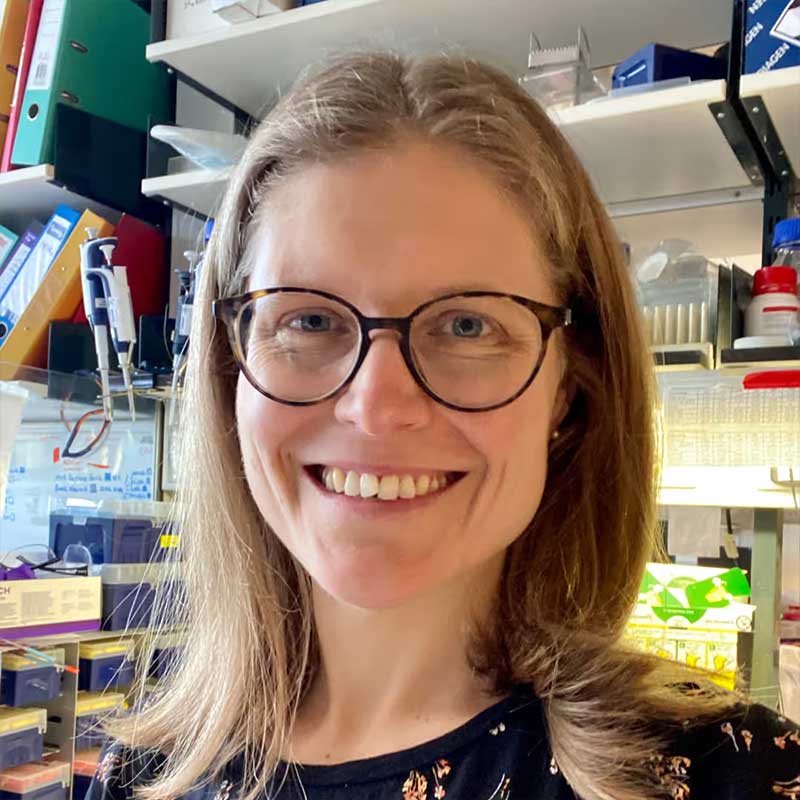
Meet Dr Jenny Dickens, University of Cambridge - commencing November 2024
Dr Dickens research, based at the University of Cambridge, involves the development of a new laboratory technique using miniaturized 3D versions of the lung. This new model will enable her to study how genetic variations cause “stem cell-like” lung cells to misbehave, leading to lung scarring (fibrosis).
31d1e2e1-0af2-5c97-1f66-b9ada2121d76 col-100 1
c8dc614d-04a7-d673-f14f-8a42db95a3fe flex-box col-50 1
7c2521d2-26fb-c86f-8106-ff85c3b408fd col-100 0
Studying PF in families has taught us how changes to lung cells called alveolar type 2 (AT2) cells are crucial to the development of familial pulmonary fibrosis. Medicines that target AT2 cells have the potential to stop the disease at a much earlier stage than existing drugs. But AT2 cells are difficult to work with in a laboratory, so I will be using cutting edge technologies to grow miniature 3D versions of the lung to understand more about these important cells in Familial PF. New insights gained could also improve our understanding of other forms of pulmonary fibrosis.
2c43090f-dfbf-e7f4-4114-1041caea7fd5 col-100 1
I was inspired to undertake a PhD during my training in respiratory medicine having seen a patient with a rare genetic lung disease that sparked my interest. My ongoing work as a respiratory consultant and researcher is entirely inspired by my patients; trying to understand more about their conditions so we can develop better treatments. So it felt like a natural fit to apply for a Mike Bray Fellowship to support my work. This funding will be transformational for my research career, providing a spring board to establish a large research programme and allow me to take the next step to set up my own research group aiming to understand the triggers of pulmonary fibrosis and develop new treatments.
caf4b3b3-2e8c-17a6-7a92-45c7b38ef6ac flex-box container between col-100 0
ec110ecb-658e-40bc-a13c-5e2fb934c196 flex-box col-100 0
7bdb4df0-cb59-1e91-96b3-3bf0160a8f2b col-100 0
Our 2018/2019 fellows:
578c070a-90ae-de5f-a327-c6c02791f477 flex-box container between col-100 0
afb15228-35ed-7c7d-8867-38fdb0419c45 flex-box col-50 0
1f2adc38-f2fa-e55f-9f45-26a60c783e70 col-100 0
Dr Richard Allen, University of Leicester:
Dr Allen’s research focuses on the genetics of pulmonary fibrosis. So far, IPF has been shown to be associated with almost 20 genetic variations in patients. This project will compare the DNA of individuals with IPF to identify the genes that explain why some people experience very severe disease whereas others have milder symptoms. This will hopefully lead to the identification of the different chemical and biological pathways involved in the process of fibrosis and to new treatments.
2626c1ba-caeb-e157-31ad-893cd84bd2ef col-100 1
Genetic insights raise the future prospect of precision medicine, making it possible to target specific treatments to patients based on genetic or molecular abnormalities. Over the next three years, many more IPF-associated genetic variations are expected to be identified as a result of research by Dr Richard Allen at the University of Leicester. Dr Allen completed his fellowship in 2023 and continues his work in this area.
abdf9530-e613-19f4-beb3-676773012615 col-100 2
Join us in our research appeal so that we can fund more researchers like Dr Allen and find out more about why he is passionate about pulmonary fibrosis research.
2a8681ab-dc44-8df0-8f2e-fdcc374f6169 flex-box col-50 1
5257282e-51d3-db8f-12e4-228708470aaf col-100 0
“Investigating the genetics of disease progression and classifying disease subtypes for idiopathic pulmonary fibrosis
9adef205-0a35-065b-ec3d-90fdd72932e2 col-100 1
I am so excited to be given this chance to extend my work on the genetics of IPF which will help guide the development of new treatments for this devastating disease. I would like to thank Action for Pulmonary Fibrosis for giving me this incredible opportunity.
8387d88e-3936-4303-12f0-b9af38278be1 flex-box container between col-100 0
68d2b20c-fddf-59ff-0d89-d548ae97cb5d flex-box col-50 0
aaa50100-0205-ff74-55a0-fb14dede9d63 col-100 0
Dr Philip Molyneaux, Imperial College London:
Dr Molyneaux’s research is investigating the role different bacteria play in disease progression and whether taking prophylactic antibiotics can slow down disease progression.
d98631fb-f097-32db-8629-1b604a20700e col-100 1
In IPF there are changes in the number and types of bacteria in the lungs, but we don’t understand why they are there or what they are doing. Dr Molyneaux’s research will aim to answer these questions, looking at how bacteria interact with cells in the lungs and what changes happen following antibiotics. Understanding this may allow us to identify new treatments or specific groups of patients with IPF who will benefit from existing therapies.
225b7bcd-4aa1-eb19-7c74-16cfa9287334 col-100 2
Join us in our research appeal so that we can fund more researchers like Dr Molyneaux, and find out more about what he hopes his research will achieve.
f5367f64-b60c-991e-3688-731cfd2c6b00 flex-box col-50 1
09858763-f446-21e7-ec43-3144840b61dd col-100 0
Microbiome, Metabolism and Macrolides in IPF
458031af-ede5-39e0-5c9a-acc534746ef5 col-100 1
It’s fantastic to be able to undertake research, supported by Action for Pulmonary Fibrosis, a patient-driven charity. I look forward to the next few years of exciting research ahead.
5d4dd11f-49f0-ffc8-e2bd-ce50371eb3f5 flex-box container between col-100 0
eb3d8e8b-8274-f8d1-f2ba-d5982c8daccd flex-box col-100 0
40e3a171-0a30-57b8-abe9-cf6033199d89 col-100 0
Whilst you are here, you may be interested in:
54501c0c-5327-2f10-b825-0f0d2609e727 flex-box col-33 1
a771c5e5-a12a-d94c-bba3-a02d64fab18f col-100 0
Research News7a3fb2c1-9a4c-d942-334e-f57423f350dc flex-box col-33 2
e56d3a4d-f908-2678-b92d-f7d8dd6f9b28 col-100 0
Support for Researchersfadf864d-40c2-8967-7a73-0826e6cf6094 flex-box col-33 3
a66c10df-3874-a990-94df-902fea7f259c col-100 0
Fundraise for APFTab ID:152