08a7828e-f368-fe79-96db-b0a456cef4d5 flex-box container between col-100 0
ac96a6fa-f9a6-a76c-34fd-0b600ba5e69a flex-box col-100 0
552aa42a-1878-441e-6ad1-8038aa5bf5aa col-100 0
Information
Oxygen
34023385-03a0-549b-ce6a-2b49d3add3a3 flex-box container between col-100 0
96f63aea-3516-b20b-4650-4daebedb3329 flex-box col-50 0
0aa5573d-bdae-df19-c4b3-f48959aae5be col-100 0
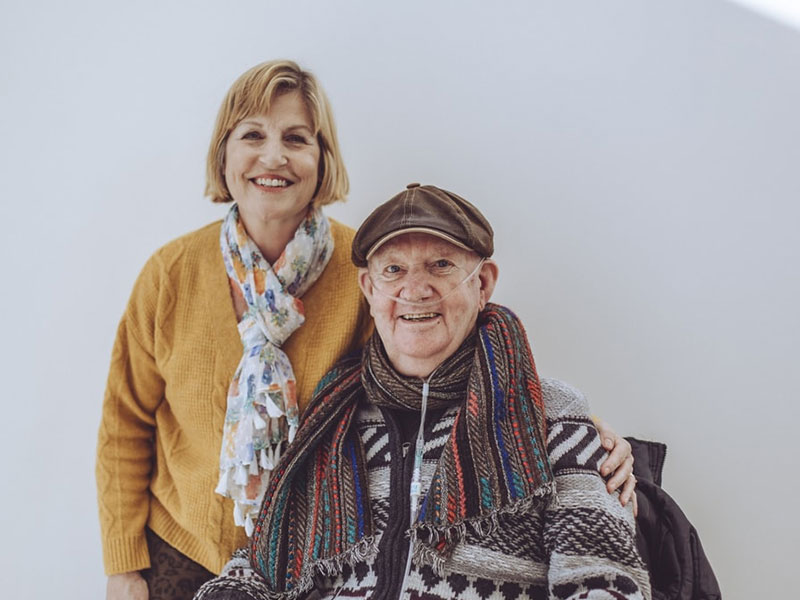
If you’re breathless and it is due to falling oxygen levels, help may be at hand in the form of supplementary oxygen. Many people use oxygen like any other treatment: to improve their day to day life and make activities easier.
1f092e4b-7739-dd7b-d4ea-fda2be17f68e col-100 1

The oxygen, coupled with a pulmonary rehab course, helped me get back to my previous activity level. I now only use oxygen if I am doing anything strenuous.

cf47d752-4c5e-17df-c5af-776f893c4924 flex-box col-50 1
a23d8e10-a1cc-d80e-30db-6ee5284ac05b col-100 0
2cf01b83-5577-d8ad-629f-04c0126f58f5 flex-box container between col-100 0
f17fad03-6968-0cbb-7d22-777da6c54507 flex-box col-100 0
1f353a72-1060-dbd6-30a8-5c3e4c1b836e col-100 0
Breathing and oxygen
74212d69-e970-99c2-b4bb-5ac09e92f13f col-100 1
When you breathe in, air travels down your windpipe into your lungs. After absorbing the oxygen from the air, blood leaves the lungs and is carried to the heart. The blood is then pumped through your body to provide oxygen to the cells of your tissues and organs.
When cells use oxygen, carbon dioxide (CO2) is produced and transferred to the blood. Your blood then carries the CO2 back to your lungs and it is removed when you breathe out.
23a8d702-1900-b4eb-3bf1-82b975dc8348 flex-box col-100 1
ae67fed9-2b89-d9ce-c9c7-99dee0e61845 col-100 0
Breathlessness
8c5772f5-685e-ce5e-7532-8d02950c35fe col-100 1
People with pulmonary fibrosis can often feel breathless. A build-up of scar tissue in your lungs – as with pulmonary fibrosis – restricts the transfer of oxygen from the tiny air sacs in your lungs into your blood. This causes low levels of oxygen in the blood. The use of supplementary oxygen can help.
515498a3-4545-250b-dc60-08f2a8addfa1 col-100 2
There are other causes of breathlessness. It’s important to have your breathlessness assessed by your healthcare team. Find out more about breathlessness.
4da5f4c5-bf2e-141e-f3a2-8d7c8e3a45ec flex-box container between col-100 0
8970b9ea-afd9-0baf-0a89-a937bed7993c flex-box col-100 0
82117950-d74f-e70d-6e76-aaf93dadbdda col-100 0
Oxygen saturation levels
937872de-5a27-5a8b-76e5-5ee8e1e79031 flex-box col-50 1
b8b2a454-a666-db75-3e6a-ae9b8fa0b2bd col-100 0
Oxygen is carried around in your red blood cells by a molecule called haemoglobin. Oxygen saturation (SaO2) is a measure of how much oxygen the haemoglobin is carrying.
Low SaO2 means that the lungs are struggling to transfer oxygen into the blood. This is more likely to happen when you exert yourself because that is when blood is travelling faster through the lungs.
6ba60a44-179b-f485-8203-17157864f119 col-100 1
Assessing your oxygen levels
A pulse oximetry test uses a sensor placed on your fingertip or earlobe to measure your oxygen saturation. For someone who’s healthy, the normal blood oxygen saturation level will be 95–100%. If yours is 92% or less when you are resting, you should be referred for an assessment to see if supplementary oxygen is appropriate.
At the assessment, your oxygen levels may be measured both at rest and when you walk. You may also have a blood gas analysis, where a small sample of blood is taken from your wrist, the inside of your elbow or your earlobe.
55c6c7f0-8ebb-1ae4-9daa-f9736d7aec17 flex-box col-50 2
4bf0cb5f-93df-cd40-522b-9c6bd49771ed col-100 0
I was put on oxygen when my condition deteriorated. It enabled me to keep going and survive, allowing me to carry on with my life. After a short time in hospital I was allowed home after the installation of an oxygen concentrator and continued use of the portable concentrator when going out.
62fa7b6e-36be-275b-d2a7-7f04f0702352 flex-box container between col-100 0
abfaa5e0-ebd5-3a28-cff8-5dddd6b4d92d flex-box col-100 0
01bfca30-ccdf-f507-d2a7-b3ce41190d20 col-100 0
Oxygen equipment
3fe22e29-45c9-67ef-363f-7faae75cada1 flex-box col-50 1
db9cd967-3180-b342-aa7b-fb42a1f22c41 col-100 0
There are a number of ways to get supplementary oxygen, all of which need to be prescribed specifically for you. You may have different oxygen prescriptions for each device. Your local healthcare team will explain to you how you should use your oxygen.
2447b731-e0aa-597b-82db-a115ce36de65 col-100 1
Don’t forget that oxygen increases fire risk. Please do not smoke using oxygen and keep away from naked flames. Store your oxygen in a safe place.
44c73c93-2553-6df9-205b-36333611902b col-100 2
Find the UK's oxygen suppliers
00682b97-0d38-80a5-f1ce-c6b1e123deea flex-box col-50 2
732ed31b-9ec3-5e8f-2a7b-e755223f5f1a col-100 0
Going out and about with my portable concentrator has shown me just how kind everyone is, especially in shops and supermarkets, and on public transport, where people don‘t hesitate to help
e7feff36-c1d8-0738-ec84-39ab1f6db2be flex-box container between col-100 0
fe9893de-92ff-416a-d6b8-79221dce6ea6 flex-box col-100 0
75603ae4-896f-49ce-1b49-0450b2537e70 col-100 0
Home oxygen
The oxygen concentrator is a small machine that is delivered to your home. It is powered by electricity which filters the air allowing only oxygen to reach you through either nasal cannula or a mask.
It can be used 24 hours a day, seven days a week and is regularly serviced by the oxygen contractor. You may be reimbursed for electricity used to power certain equipment. You may also be given a back-up cylinder for use in an emergency, such as a power cut.
31b2bb7e-c0e6-7b31-183a-8a672aa75465 col-100 1
Portable or ambulatory oxygen
Oxygen cylinders are small and lightweight for use outside the home. They may be fitted with an oxygen conserver that will deliver a pulse dose of oxygen only when you breathe in. This allows the cylinder to last longer. If you need continuous oxygen you will be given a cylinder without a conserver.
238f17fd-e9ee-32ab-76c9-b38210361692 col-100 2
You may be given several cylinders at a time for use outside the home – you just telephone the oxygen company once they are empty for your replacements. You will be supplied with a back pack or trolley for transporting your oxygen cylinder, or you can use your own trolley to transport your oxygen.
47793c19-6218-ece4-d3cf-a4671f97c415 col-100 3
If you are using a lot of ambulatory oxygen at higher flow rates, your oxygen assessor may recommend that you use liquid oxygen. Liquid oxygen is usually delivered at regular intervals in the form of a large reservoir unit and a smaller device that you fill yourself from the reservoir unit. Your oxygen supplier will show you how to use this. You will need to store your reservoir tank on the ground floor or in a garage. There are special storage instructions associated with the storage and use of liquid oxygen which you will need to consider. You will have one or two ambulatory cylinders that you can fill yourself before you go out.
16d202da-5312-0a97-eed0-f1c08670e94b flex-box container between col-100 0
83275d31-0f44-b2f7-7841-f4f539f62f92 flex-box col-100 0
ff9dc1cc-18c0-8e4a-053c-69216a94b622 col-100 0
Oxygen safety
Oxygen can be a fire hazard. If you use supplementary oxygen, you must follow precautions to keep yourself and others safe. Below are some examples of common safety precautions. This is not a complete list of precautions. You must check the advice given by your oxygen supplier.
b4503dfe-2346-ea54-3845-0c53c0f43bd3 flex-box col-50 1
6ac09dfe-9da2-616e-e80d-a5d66b94d5e8 col-100 0
DO NOT:
- DO NOT use or store oxygen equipment near heat sources e.g. radiators or airing cupboards.
- DO NOT use oxygen equipment that is damaged or not working properly.
- DO NOT tamper with your oxygen equipment.
- DO NOT have open flames near oxygen equipment. This includes barbeques, gas cookers, candles around your home or celebration candles on a cake.
- DO NOT use flammable liquids such as paint thinners or aerosols, near oxygen equipment.
- DO NOT charge personal electronic devices near oxygen equipment.
122ec432-2e4f-d672-2416-e0837db2cfe4 flex-box col-50 2
26b4621d-2a50-bc0f-18eb-c4621c397738 col-100 0
DO:
- DO ensure your smoke alarms are working and test them regularly.
- DO ask your oxygen supplier if you are unsure about anything.
- DO tell your oxygen supplier if you use lotions or creams on your skin. These are flammable, and you will need to take extra precautions.
Read more about emollients and fire safety.
6f1e0ec7-c40e-c1e3-d7a0-424679c0a9e5 flex-box col-100 3
bad7a9a8-cb09-4fa2-f156-c11549204ce5 col-100 0
Oxygen saturation
Oxygen can remain on clothes, surfaces, or in the air for up to 20 minutes after any equipment has been used. This can make them more flammable. To reduce this risk, ensure you:
32cec4ad-eabb-01df-618e-0473ca4bbedc col-100 1
- Keep rooms well-ventilated while using oxygen and for at least 20 minutes afterwards.
- Keep clothing and soft furnishings, such as sofas and curtains, well-ventilated after oxygen has been used nearby. You may need to open windows or move outside.
- Turn off oxygen equipment when not in use.
339e2fe8-27b2-a5f2-face-e12674540262 flex-box col-100 4
3697f5d9-8cab-68e0-301f-3f8b689099cf col-100 0
Smoking and e-cigarettes
If you smoke or use e-cigarettes, you may not be prescribed oxygen.
- Never smoke or use an e-cigarette near oxygen equipment, near someone using oxygen, or if oxygen has recently been used nearby.
- Do not charge e-cigarettes near oxygen equipment.
1ed7190d-a20d-b067-d769-627c11c10080 flex-box container between col-100 0
edba642f-2675-7489-7f72-3041778e4b65 flex-box col-100 0
09966fe8-fca5-a86a-0ee2-48cc40f36abd col-100 0
Pulmonary rehab and oxygen
a62b514e-0fe8-faae-bba6-4d16e1697c12 col-100 1
People who use oxygen will be assessed to see if they need it during pulmonary rehabilitation. Oxygen may help to increase how much exercise you can do. If you have been prescribed ambulatory oxygen for exercise, don’t forget to take the device along to the class.
9db07add-b266-2218-1a5b-a3a9514c9d8b col-100 2
APF Trustee Steve Jones told us, “I found ambulatory oxygen really important in staying fit and feeling positive. With a cylinder of oxygen, I could get out and do my daily walk and do my pulmonary rehabilitation exercises. Although I didn’t know it at the time, it kept me fit enough to be a candidate for a lung transplant.
f468ad0d-30e1-7d09-dd5c-5260250e29f4 col-100 3
I was reluctant to start using oxygen because it meant accepting that my symptoms were getting worse and the disease was progressing. It felt like I was ‘giving in’. In retrospect, this was foolish. I wish I had started on ambulatory oxygen much earlier than I did.
b6475155-bd1c-a5fb-6729-17405653f834 flex-box container between col-100 0
7bb447f0-7dee-3d60-7d3f-1b3a961e64e0 flex-box col-100 0
791c0ee4-9fbf-5951-8f6c-3d1db982f2cc col-100 0
Holidaying with oxygen
59412d91-adba-43ed-64f2-d524a04f9ab0 flex-box col-50 1
284d92ed-4be3-22f5-552e-d02f7dec8fd9 col-100 0
If you need oxygen at home, you will need to arrange a supply at your holiday destination. Find out more going on holiday with oxygen.
f3fc9f85-d585-6ca7-4ba2-66b050305400 col-100 1
As well as our specialist nurse, and a representative from the fire service, hear from Lesley who lives with PF and Kirstie and David who are care givers for loved ones using oxygen. You can read our additional information about train travel, travelling alone and oxygen here.
8526d457-df18-0b54-ba5f-243347ff431b flex-box col-50 2
Tab ID:177