58999b92-dccd-535c-aaf8-eb2603af501c flex-box container between col-100 0
f89af2ca-2018-3d3f-42c2-e19eff10cb99 flex-box col-100 0
60497f98-ed4b-684a-290d-8c77fc3f32ae col-100 0
Information
Coping with cold weather
7ef106e0-3aea-0b9e-305f-bd82d75d75e6 flex-box container between col-100 0
d475107c-b5d7-df4a-a214-a2b054c44463 flex-box col-50 0
385310e9-fed9-f089-1596-4c43d9442fdf col-100 0
Cold weather can mean extra challenges for people living with pulmonary fibrosis.
062a8346-08a6-9e39-72a6-393c55a579a0 col-100 1
Staying well
Reducing the risk of infections
You can’t completely avoid picking up colds and flu from others, but you can take reasonable precautions such as:
558a8333-03b2-8ad0-decc-3802153aa030 col-100 2
- Wash your hands regularly, especially after touching shared surfaces, after coughing or sneezing, and before eating or drinking.
- When washing your hands, ensure you take at least 20 seconds and use soap and water. If soap and water aren't available, use an alcohol hand sanitiser.
- Consider asking your employer if you can work from home.
- Avoid touching your face without first washing your hands.
- Avoid contact with people who have symptoms of a cold, flu or virus such as COVID-19.
- When in public spaces, you may want to consider using a face covering or try to stay at least 2 metres away from others.
5be83cd2-27ca-5f41-679e-4bdba7f6fb25 flex-box col-50 1
69362661-b3f7-1e88-367f-3f35d14cf561 col-100 0
1c4647e2-9bd5-1c35-ba90-49263a1ac295 flex-box container between col-100 0
f50dd4cb-eaf9-e92b-6b3f-3aa1bebe5249 flex-box col-100 0
4f79551e-ac9b-e749-57b4-88c05e7d82dd col-100 0
Get vaccinated
If you have pulmonary fibrosis, you may be eligible for free flu and COVID-19 vaccines. Read more about the latest vaccine advice.
You can also ask your GP about vaccines for pneumonia and shingles.
821c830b-9c39-55b7-c778-bea61c5b5dda flex-box col-100 1
be5b9629-fe0b-964d-da2b-d6b7ad5ca7de col-100 0
Be prepared if you are unwell
Work out a management plan with your GP or nurse in case you get a chest infection. This will make sure you know who to call and when to act. If your plan involves medications, make sure you have enough, that they have been reviewed, and are still in date.
82a76497-202b-5d92-e0ec-ba2db7955373 col-100 1
You may be offered a prescription in advance to get medication quickly if you get chest infection symptoms.
Your medical team may also suggest you keep some medicines at home for an emergency. Make sure you know when to start taking these and tell your GP practice within two days of starting any treatment.
403de5d7-c97d-ebaf-ca25-abe47bc90516 flex-box col-100 2
2cafdc7a-9b51-4ccc-d858-e4915ab923ef col-100 0
Know when to get help if you are unwell
Speak to your medical team about when you should contact your GP. Remember, if it's out of hours, call 111.
bfb7dec8-4a84-42bd-63a2-1bf29c12cdb4 col-100 1
Call 999 or attend your nearest accident and emergency (A&E) department if you:
- are struggling to breathe and this does not get better with rest,
- are suddenly short of breath and do not feel better with rest,
- have chest pain, or
- have any other sudden, severe or life-threatening symptoms.
aa163dfe-cac9-32c5-7937-a05ff982cd1e flex-box container between col-100 0
18812fb2-403f-4a8f-035e-4bc4c02842a3 flex-box col-100 0
f30181ec-88a3-3a07-5f8e-699cfe21c57d col-100 0
Staying warm at home
e7618fdd-a53e-152c-db75-ff25d6b2ca8e flex-box col-50 1
cb060ebc-78ac-73d9-e3cc-b723533b9cfe col-100 0
Heating your home
For some people, breathing cold air can irritate their lungs and worsen symptoms of pulmonary fibrosis. Try to keep your home at a minimum of 18°C (64°F). You may prefer your main living room to be slightly warmer during the day.
Overnight in winter, it’s a good idea to keep your bedroom at 18°C (64°F) and to wear warm nightclothes. Keep your bedroom window closed on a winter’s night. Layer blankets on the bed to trap heat, but make sure they’re easy to remove in case you get too warm.
You may qualify for government help with energy costs.
229d1a62-2b0d-8715-f4d2-30614d5e3c00 flex-box col-50 2
c9204f97-23a5-e76e-dd63-9b90bcbcde3d col-100 0
Keeping your body warm
Hot food or drink may help you to keep warm. Eating regularly also helps keep your energy levels up during the winter.
Keeping active can be a effective way to increase your body heat. Try walking around the room at every TV advert break, simple chair exercises or exercises learned at pulmonary rehabilitation classes.
When it’s cold, several layers of clothing may trap warm air better than one thick layer.
20ea218c-2fe5-a2d5-046c-34a22ed35f86 flex-box container between col-100 0
7cc059d0-03b6-f0fa-f6d6-306f1f8d7940 flex-box col-100 0
11ba1467-7755-6eba-8e81-53cbbdf5d2fa col-100 0
Going out
If you go outside in cold weather, planning ahead can help you stay warm:
6ed58018-213b-bdda-7243-cf13b5f063ee col-100 1
- Check the latest weather reports in bad weather. Ensure you have extra warm clothes and a thermos flask with a hot drink.
- Don’t feel guilty about postponing an outing if the weather is too bad. There will be other days when you can get to appointments or visits.
- Ask someone to preheat the car before you get in, if possible.
- Layer your clothing to trap heat, focusing on head, hands and feet.
- You may want to put a scarf loosely across your nose and mouth. Some people find this helps to warm the air that you breathe so it doesn't irritate your lungs.
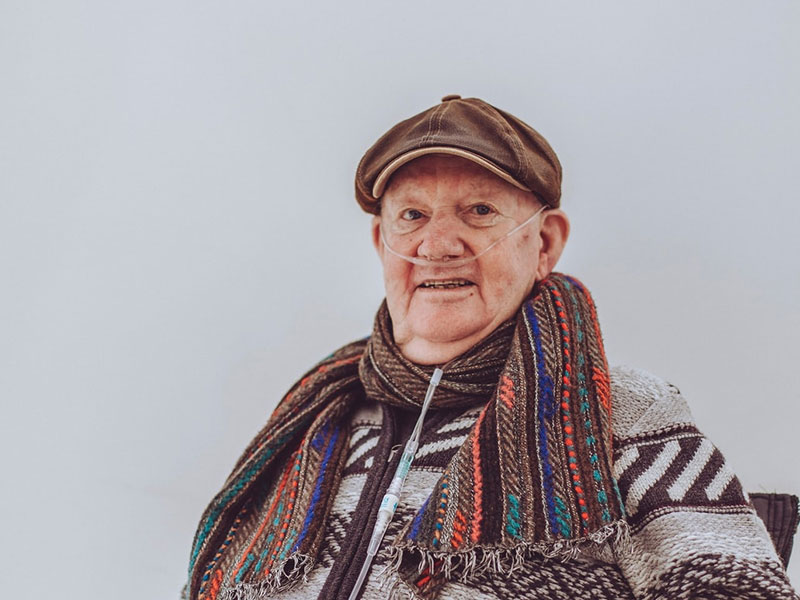
- Look after your oxygen equipment. Try to keep your oxygen cannula or tubing tucked inside your clothes to prevent it from stiffening or splitting. If possible, keep a spare with you.
- Carry your reliever medication with you, if you have been prescribed it. Cold air can tighten your airways, making breathing feel more difficult.
- Try a slow drink of lukewarm water. Some people find that drinking a glass of warm water when returning indoors can help to reduce the burning sensation of the lungs after exposure to the cold.
- Think about what is right for you. That could be staying at home, calling family or friends for help or dialling 999.
Tab ID:215